
for business
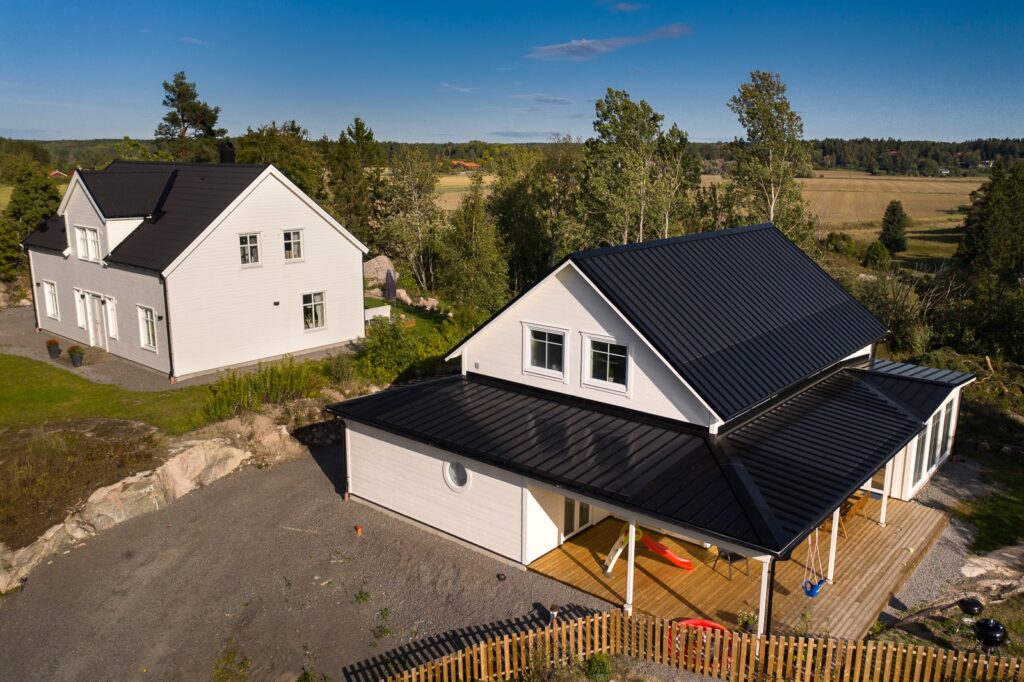
Sustainable energy corresponds to z CSRD, ESG i Scope 1–3
We support investors in creating market advantages through technologies that combine operational savings with an image of an innovation leader.
Our solutions investment security guarantee: 25 years product warranty, European production and reliability confirmed in Scandinavian conditions. For developers, this means an increase in the value of real estate and the attractiveness of the offer for tenants looking for green buildings.
Scope 1-3-Measurable reduction of CO выбросов emissions
Scope 3-the entire supply chain and product lifecycle
CIGS is one of the most environmentally friendly PV technologies on the market:
European production – a shorter supply chain
- 63% recycled materials
- 98% recyclability
- Only 6 g CO₂ / kWh in the full life cycle
Effect: Significant improvement in Scope 3 metrics, key in LCA and CSRD reports.
Scope 2-indirect energy emissions
- CIGS panels increase automatic energy consumption and reduce the need for electricity with
"yes," he said. - Very high efficiency in low and diffused light-they work in any climate from cloudy to very sunny.
Effect: Less purchase of energy from outside = lower emissions Scope 2.
Scope 1-direct emissions
- Production of panels in the EU with low energy consumption.
- Absence of cadmium and high-emissivity materials.
- The lower weight of the entire system makes it easier to transport and assemble, reducing the environmental impact.
Effect: Reduce direct emissions associated with the product and its installation.

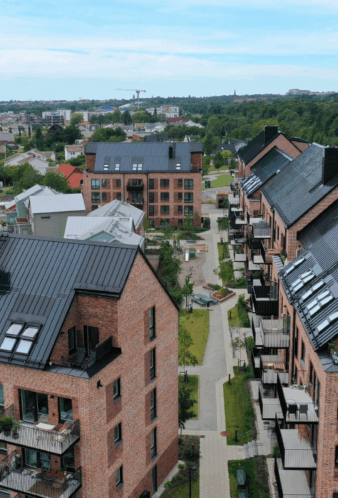
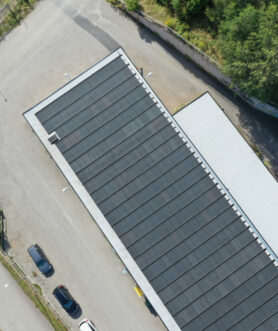
CSRD
The CSRD (Corporate Sustainability Reporting Directive) requires accurate data
the environment. CIGS panels supply:
complete, measurable carbon footprint data,
european production transparency,
support for EPD, LCA, and ESG reports,
compliance with the required KPIs.
CIGS = hard data, not just marketing.
ESG-real cost in each area
Environmental (e) - the environment
- Very low carbon footprint:
6 g CO₂/kWh - Recycling: 98%
- Production in the EU, cadmium-free, glass-free and aluminum-free
- Ultra-light construction (2.7-2.9 kg / m2)
Social (s) – society
- Safer and easier operation thanks to lower weight and the absence of glass elements
- Support for local sustainable development strategies
- Quiet, aesthetic and non-invasive technology
Governance (G) – management
- Full transparency of origin and supply
- Compliance with European liability standards
- Easy inclusion of data in ESG / CSRD reports

ESG
Natural Green Energy is a strategic partner in achieving the Sustainable Development Goals.
Environmental (e) - the environment
- Area 3 (Supply chain): Our panels have a carbon footprint of only 6 g CO₂ / kWh-90% less than panels from Asia, which significantly reduces the carbon footprint of all investments.
- Circular economy: The product is 98% recyclable, and 63% of the materials used in production are obtained from recycling.
- CSRD: We provide reliable data for non-financial reporting, confirming the ethical and environmental origin of energy (EU production: Sweden/Italy).
Comparison table of LCA-CIGS vs c-Si silicon

* Lower weight (2.7-2.9 kg / m2)
* Thin-film structure
* 63% recycled materials
* Aluminum frame
* Energy-intensive wafer silicon
* Large quantity of primary raw materials
* No cutting of silicon wafers
* High annual revenue → below Gco₂ / kWh
* Lower weight = lower service loads
* ALU frame-corrosion, damage
* No cracking of the wafer
* High value of Cu / In / Ga / Se metals
* No toxic cadmium
* Lower recovery cost
* Possible traces of Pb in solders
* No heavy metals (Cd, Pb)
* Possible toxic ingredients
* High cost of metal recovery → positive environmental credit

Key findings
CIGS A1-A3 (production)
- lower weight,
- less energy-intensive processes,
- no glass or aluminum,
- Lower EPBT.
CIGS B1-B7 (usage)
- best ambient light performance,
- lower thermal degradation,
- higher resistance to damage.
CIGS are preferred in EoL (C1-C4)
Lower mass = lower emissions = lower cost.
And when it is processed, it gets a high environmental credit.
Module D-Climate benefits
High energy output means more "avoidable" co выбросов emissions in the grid → lower carbon
footprint per kWh.