



Power supply for onboard and refrigeration systems
CIGS panels provide power for key devices operating during driving and short stops:
- refrigeration and isothermal units,
- parking air conditioning and ventilation,
- tachografy, GPS, telematyka, monitoring,
- LED interior lighting and electronics,
- auxiliary devices that require constant power supply.
Solar systems unload the generator and batteries, which significantly extends their service life and stability.
Technical integration:
The panels work with MPPT regulators, DC chargers, and 12V and 24V installations, so they can be used in almost any type of truck.
Limiting the operation of the engine and aggregates-real savings
Energy from the panels reduces the need:
- engine idling,
- continuous charging of parking batteries,
- use of chillers to keep the equipment running.
Effect:
- less burning,
- reduced operating costs,
- slower wear of electrical and mechanical components.
In practice, the panels can reduce fuel consumption by 5–15%, depending on the vehicle's operating profile and climatic conditions.
Reduction of CO emissions₂ and support for ESG goals
Each kilowatt-hour derived from PV:
- limits diesel fuel consumption,
- redukuje emisje CO₂ i NOₓ,
- This makes it easier for companies to comply with environmental standards (ESG, CSRD).
Fleets that use solar roofs can report a real reduction in their carbon footprint — without the need to replace vehicles with electric ones.
Work in extreme traffic conditions
CIGS was designed to work in heavy road conditions:
- resistance to vibration, shock, loads and operation in motion,
- no glass = no risk of cracks and delamination on uneven surfaces,
- odporność na grad do 182 km/h i obciążenie śniegiem 5400 Pa,
- efektywna praca od –40°C do +85°C.
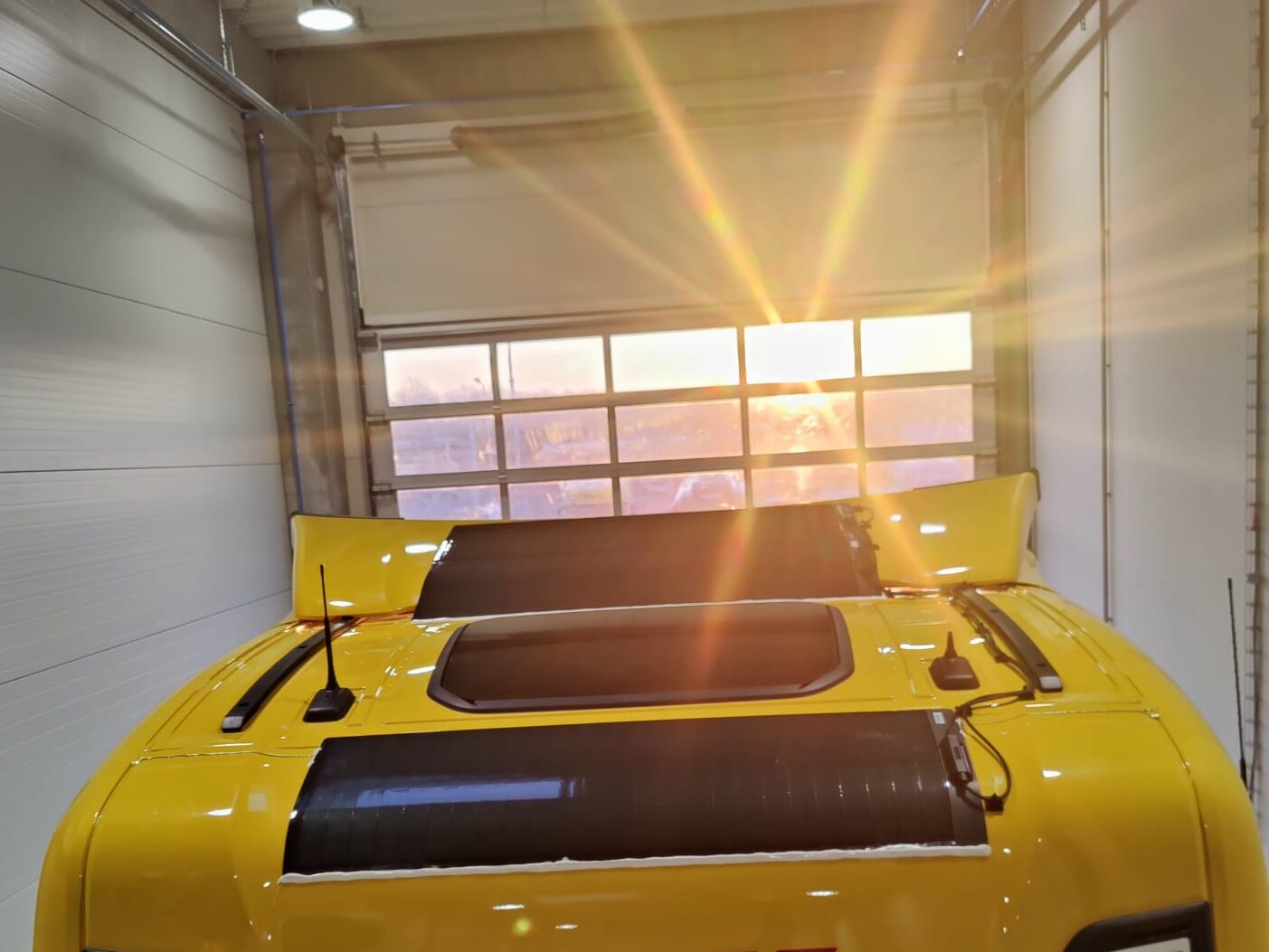
Thanks to its flexible design, the panels adapt to the slight curves of the roofs of semi-trailers and buses.
Installation without drilling-safe for any vehicle
- Technology „peel & stick” allows installation on adhesive tapes without interfering with the skin.
- The absence of drilling eliminates the risk of leaks and corrosion.
- Niska masa (2–3 kg/m²) nie wpływa na ładowność ani stabilność pojazdu.
- The installation can be completed in a few hours-without the need to immobilize the car for several days.
The perfect solution for professional transport
CIGS panels are the perfect choice for:
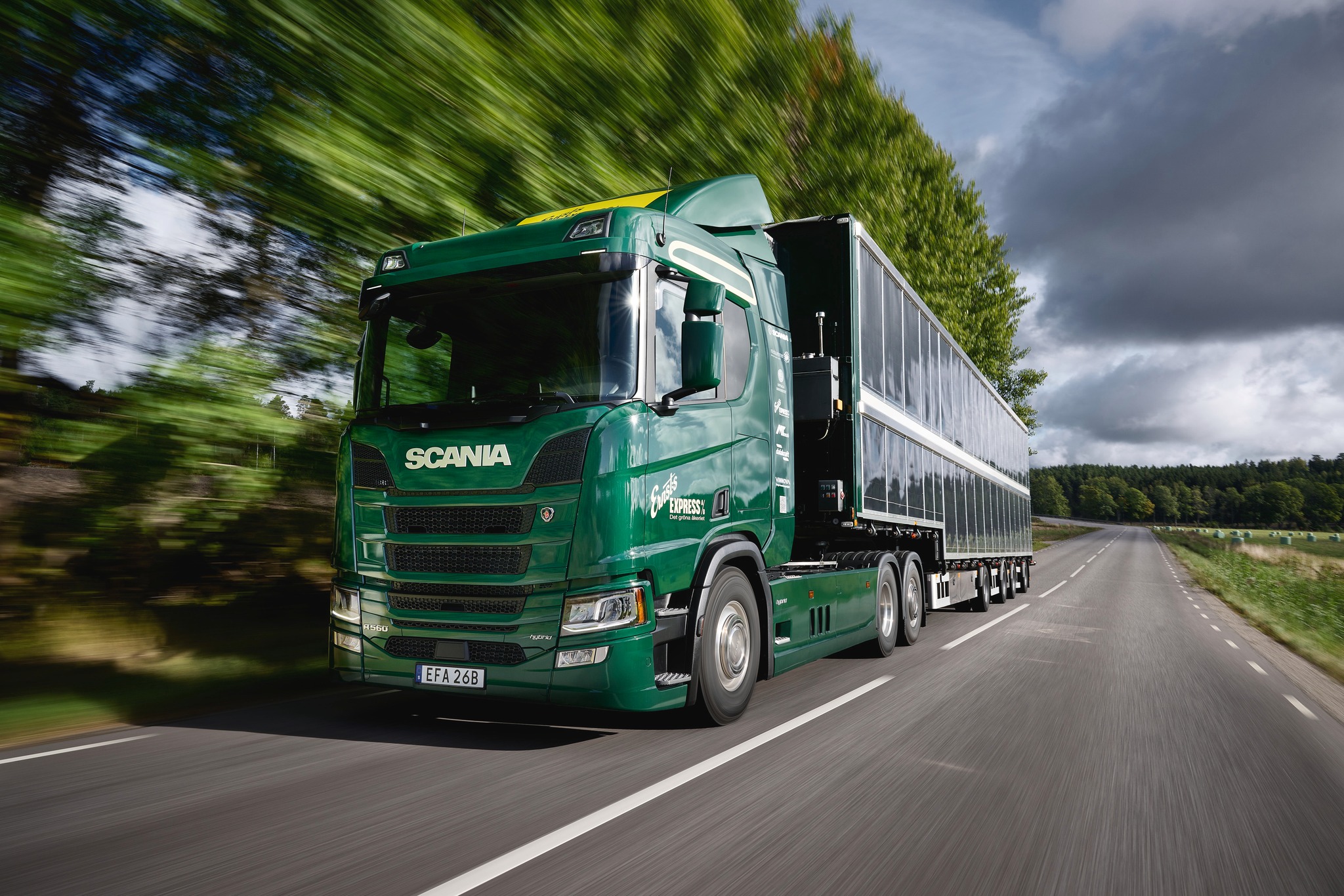
- fleets of shooting ranges and refrigerated semi-trailers,
- minibuses and couriers,
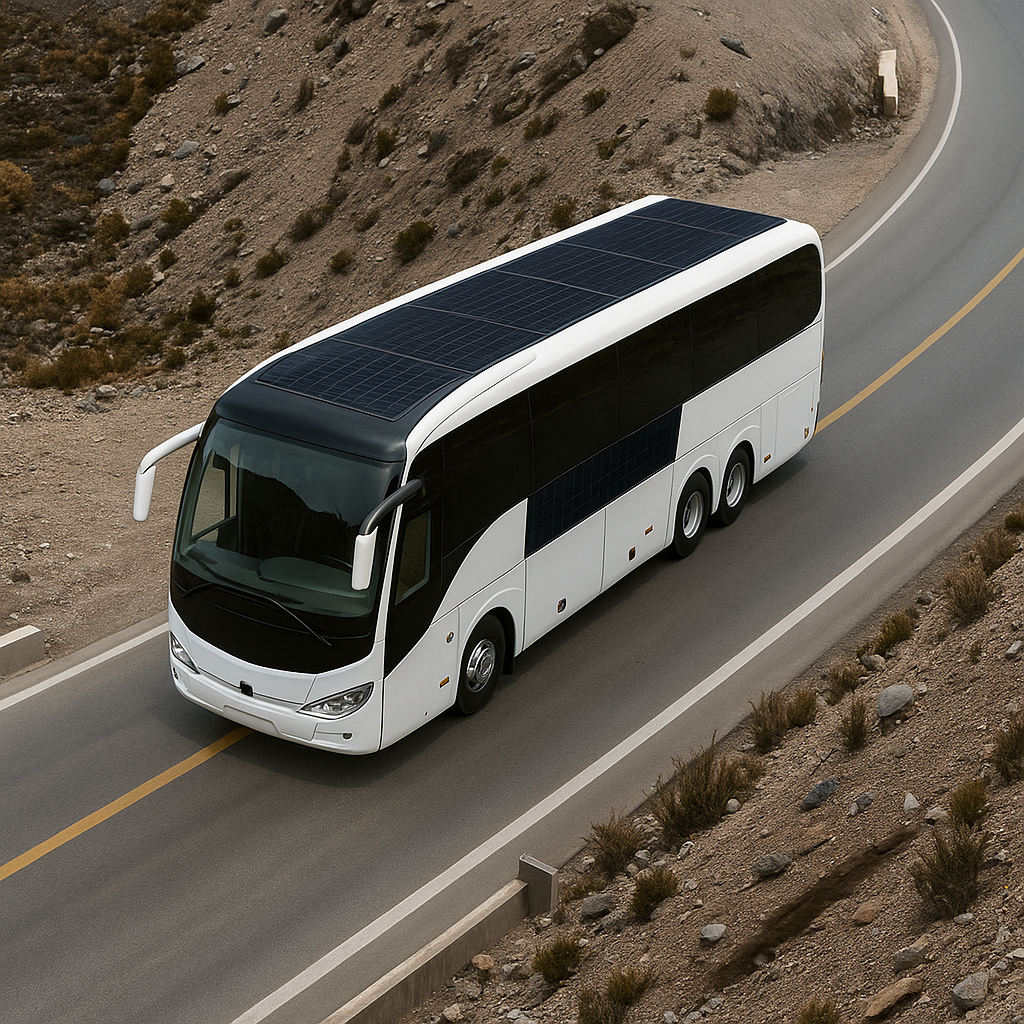
- tourist buses and intercity carriers,
- service vehicles and mobile service points,
- transport companies seeking to reduce fuel costs and emissions.
The system can be integrated into telematics platforms, which allows you to monitor energy production and consumption of receivers in real time.